Source Tamper Evident Plastic Childproof Caps for Cosmetics
Find and compare tamper evident plastic childproof caps for cosmetics, pharmaceuticals, and beverages. This sourcing guide covers 30 available options featuring PP materials, injection molding, and various sealing types to meet your packaging needs; compare the available evidence and request quotations based on your requirements.
Key considerations
Products List


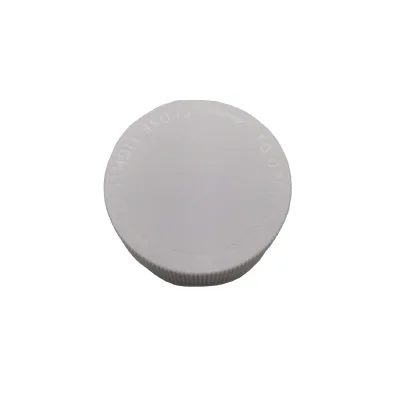

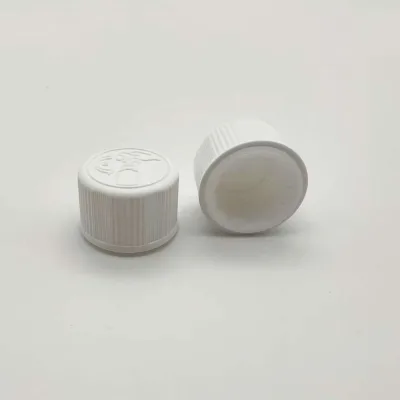

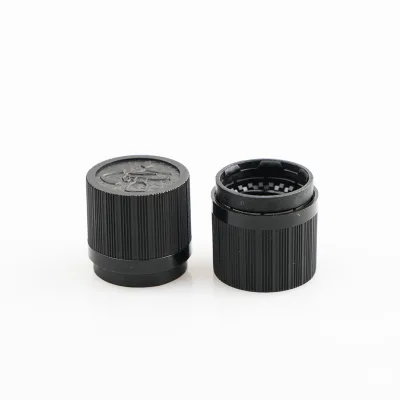


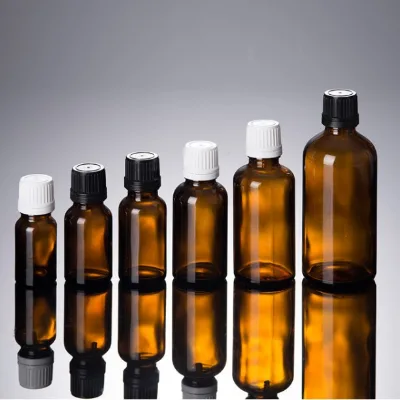


Comprehensive Sourcing Guide
Tamper Evident Plastic Childproof Caps Sourcing Guide
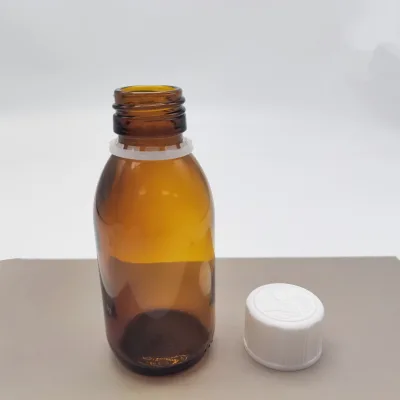
Buyers must first distinguish between standard plastic dispensing bottles and specialized child-resistant closures when sourcing tamper-evident components. The observed product data indicates a mix of regular, tamper-evident, and push-turn styles made from polypropylene, alongside glass dropper options. This distinction is critical because the mechanical requirements for a plastic child-proof cap differ significantly from a simple screw cap or a standard dropper assembly. Procurement teams should verify that the specific listing explicitly confirms the child-proof mechanism rather than assuming all plastic bottles with screw caps possess this safety feature.
The commercial landscape for these components shows a wide variance in minimum order quantities, ranging from single items to 100,000 pieces. This disparity suggests that suppliers cater to both prototype development and large-scale pharmaceutical or cosmetic manufacturing. Buyers should align their order volume with the supplier's capacity to ensure consistent quality control, as small batches may lack the rigorous testing protocols required for high-volume industrial use. Understanding the specific application, such as cosmetics or pharmaceuticals, helps narrow the search to suppliers who specialize in the relevant safety standards and material grades.
Product Scope and Observed Listing Signals
The available product listings reveal a diverse range of materials, including both plastic and glass, with polypropylene being a primary material for the plastic variants. These items are often described as having specific advantages like dispensing precisely measured drops or being economical and safe for various industries. However, the presence of glass dropper bottles alongside plastic caps indicates that buyers must carefully parse the product title and description to ensure they are purchasing the correct closure type for their specific container. Misinterpreting a glass bottle listing as a plastic cap solution can lead to significant compatibility issues during the assembly process.
Listing signals also highlight customization options, including logo printing, color variations, and specific sealing types like screw caps. Some products offer tamper-evident features, while others focus on regular dispensing or laboratory use. Buyers should scrutinize the "Advantage" and "Application" fields to confirm that the item meets their specific regulatory needs, such as pharmaceutical-grade material requirements. The presence of recycled material attributes suggests an opportunity for sustainability goals, but this must be verified against the specific batch requirements of the buyer's industry.
Technical Specifications to Verify
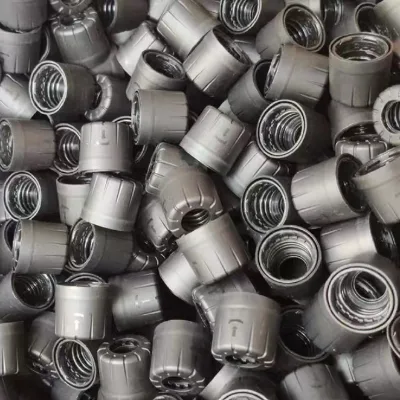
Technical verification begins with confirming the material composition and mechanical strength of the cap. The data indicates that polypropylene is a common material, characterized by hard flexibility and injection molding techniques. Buyers must ensure that the specific cap model matches the bottle neck diameter, as the observed listings mention 18mm sizes and various tip strengths like straight, flat, or blunt. A mismatch in thread pitch or diameter can compromise the tamper-evident seal, rendering the child-proof mechanism ineffective and potentially violating safety regulations.
The sealing type and structural design are equally critical for maintaining product integrity during transport and storage. Listings specify screw caps and various styles including push-turn mechanisms, which are essential for child resistance. Buyers should request detailed dimensional drawings to verify the fit and the specific tamper-evident band design. Additionally, the packing method, such as shrink film wrapping or corrugated cartons, must be sufficient to prevent damage to the delicate sealing mechanisms before the product reaches the end user.
Compliance and Safety Documentation
Compliance verification is paramount when sourcing caps for pharmaceutical or cosmetic applications, as these industries have strict regulatory requirements. The observed data mentions ISO9001 certification and pharmaceutical-grade materials, which are strong indicators of a supplier's commitment to quality management systems. However, buyers must not assume that a general ISO certification covers specific child-resistant standards like those mandated by the Consumer Product Safety Commission or European Union directives. It is essential to request specific test reports that validate the cap's ability to resist opening by children under five years of age.
Safety documentation should also address the material's suitability for direct contact with the intended contents, whether food, beverage, or medicine. The listings note the use of recycled materials and specific printing colors, which raises questions about chemical migration and ink safety. Buyers should require a Certificate of Analysis (CoA) and a Declaration of Conformity that explicitly states compliance with relevant food contact or pharmaceutical packaging regulations. Without these documents, the risk of regulatory non-compliance and potential product recalls remains unacceptably high for serious procurement operations.
Cost Drivers and Commercial Terms
Cost structures for tamper-evident caps are heavily influenced by the complexity of the child-proof mechanism and the material grade used. The observed price range of 0.01 to 1 USD suggests that simple screw caps are significantly cheaper than specialized push-turn or tamper-evident closures. Buyers should anticipate higher unit costs for caps that incorporate advanced safety features or custom branding, as these require more complex molding tools and additional quality control steps. Understanding the cost drivers helps in budgeting for the total landed cost, including tooling fees for custom designs.
Commercial terms, particularly Minimum Order Quantities (MOQ), vary widely from single items to 100,000 pieces, directly impacting the unit price and cash flow requirements. High-volume orders typically secure better pricing but require significant upfront capital and storage capacity. Buyers must negotiate clear terms regarding lead times and payment schedules, especially when dealing with custom orders that may involve tooling setup. It is advisable to clarify whether the quoted price includes packaging materials like PE bags or corrugated cartons, as these can add substantial costs to the final invoice.
Supplier Qualification and Quality Control
Supplier qualification should focus on their manufacturing capabilities and their history of producing safety-critical components. The data indicates origins in China, specifically Jiangsu, which is a known hub for plastic packaging manufacturing. Buyers should verify the supplier's production capacity to ensure they can meet demand without compromising quality, especially when dealing with high-volume orders. A supplier with a proven track record in the pharmaceutical or cosmetic sectors is more likely to understand the stringent requirements for tamper-evident and child-proof closures.
Quality control processes must be robust to ensure every batch meets the specified safety standards. Buyers should inquire about the supplier's in-house testing protocols for child resistance and tamper evidence, as well as their procedures for handling defects. The presence of injection molding techniques suggests a need for precise mold maintenance to prevent flash or dimensional inconsistencies that could affect the seal. Establishing a clear quality agreement that defines acceptable defect rates and inspection methods is essential for maintaining product integrity throughout the supply chain.
Long-Term Procurement Checks
Long-term procurement success relies on establishing a stable supply chain that can adapt to changing regulatory landscapes and market demands. Buyers should conduct periodic audits of their suppliers to ensure continued compliance with safety standards and material specifications. The dynamic nature of child-proof regulations means that a cap design that is compliant today may require modifications in the future to meet new laws. Maintaining open communication with suppliers allows for proactive adjustments to product designs and materials before they become non-compliant.
Continuous performance monitoring is also necessary to ensure that the supplier maintains consistent quality over time. Buyers should track key performance indicators such as on-time delivery rates, defect rates, and responsiveness to quality issues. The ability of the supplier to handle custom orders and provide consistent color matching or logo printing is crucial for brand consistency. Regular reviews of the supplier's performance help identify potential risks early and foster a collaborative relationship that supports long-term business growth and product safety.
FAQs
What materials are used for these tamper evident plastic childproof caps?
The caps are primarily manufactured from high-quality plastic, specifically polypropylene (PP), ensuring durability and chemical resistance. Some variants utilize pharmaceutical-grade materials to meet strict safety standards. The hard flexibility of the plastic provides reliable sealing performance. Additionally, recycled plastic options are available for sustainable sourcing needs, supporting eco-friendly packaging strategies for cosmetic and pharmaceutical applications.
Can these caps be customized with a specific logo or design?
Yes, customization is available for these tamper evident plastic childproof caps. Buyers can request custom logos to be printed on the caps, although some standard listings may exclude logo printing. Custom orders are accepted, allowing for tailored branding solutions. This flexibility supports unique product identification and marketing requirements across various industries, including cosmetics and medicine, ensuring brand consistency and professional presentation.
What certifications do these plastic childproof caps hold?
These caps hold ISO9001 certification, indicating adherence to international quality management standards. This certification ensures consistent manufacturing processes and product reliability. The use of pharmaceutical-grade materials further supports compliance with industry safety requirements. Buyers can rely on these certified caps for sensitive applications in cosmetics and medicine, ensuring that the packaging meets rigorous quality and safety benchmarks for end-user protection.
What is the minimum order quantity for these caps?
The minimum order quantity varies, with some listings requiring 10,000 pieces as a standard MOQ. Other options may allow for lower quantities, ranging down to single items for sampling. Buyers should verify specific MOQ requirements with suppliers based on their customization needs and order volume. This flexibility accommodates both large-scale industrial procurement and smaller trial orders for new product development and market testing.
How are these caps packaged for shipping and protection?
The caps are typically packaged in PE bags combined with corrugated cartons for secure transport. Some variants may use shrink film wrapping within cartons to enhance moisture protection. This strong carton packing is suitable for international shipping, ensuring the caps remain undamaged during transit. The packaging design prioritizes product integrity and efficiency, facilitating easy handling and storage for buyers receiving large volumes of tamper evident plastic childproof caps.
What sealing types are available for these plastic caps?
The primary sealing type available is the screw cap, which provides a secure and tamper-evident closure. This design ensures that any attempt to open the container is visibly detectable. The screw cap mechanism works effectively with various bottle necks, including 18mm standards. This reliable sealing method is essential for maintaining product freshness and safety in cosmetics, food, and pharmaceutical applications, preventing leakage and contamination.